

Windows play a much larger role in home safety than many homeowners realize. Beyond providing natural light and ventilation, windows affect security, emergency egress, child safety, storm protection, and even indoor comfort. In Michigan, where homes experience seasonal storms, temperature extremes, and strong winds, window safety becomes even more important.
This guide explains how home safety windows protect your household, what risks outdated windows pose, and when replacement or upgrades should be considered.
Why Window Safety Matters in Michigan Homes
Michigan homes face weather-related risks such as high winds, heavy rain, snow accumulation, and rapid temperature changes. Older or poorly maintained windows may crack, leak, or fail under stress, creating safety hazards and property damage.
According to the U.S. Consumer Product Safety Commission, windows are a common source of household injuries and security vulnerabilities when not properly designed or maintained.
Common Safety Risks Caused by Old or Damaged Windows
Windows that are outdated or deteriorating can create several safety concerns, including:
- Broken or cracked glass that increases injury risk
- Faulty locks that compromise home security
- Windows that do not open properly during emergencies
- Air and water leaks that contribute to mold and structural damage
- Weak frames that fail during storms
Recognizing early warning signs is critical. Homeowners can learn more about window-related warning signs in our guide on Signs You Need New Windows.
Impact Windows and Storm Safety
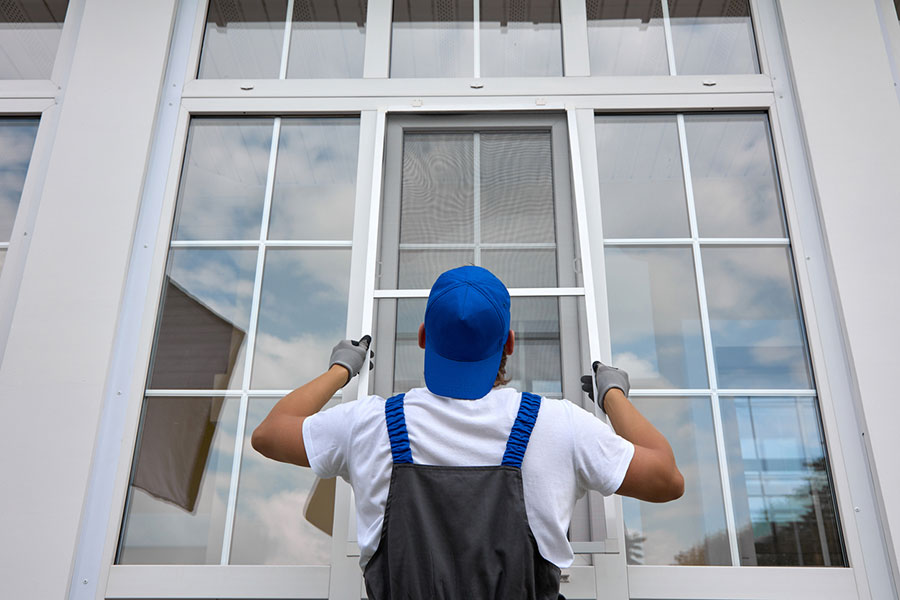
While Michigan is not a hurricane-prone state, strong storms and wind-driven debris can still damage windows. Impact-resistant glass and reinforced frames help reduce the risk of shattering during severe weather.
The National Fenestration Rating Council emphasizes that modern window construction improves both safety and performance by meeting strict testing standards.
Homes with aging windows may also be more vulnerable during storm-related roof damage events. Learn how storm exposure affects the exterior on our Storm Damage Repairs Michigan page.
Child Safety and Fall Prevention
Windows are a leading source of fall-related injuries among children. Proper window design and safety features help prevent accidental falls while still allowing ventilation.
Important safety considerations include:
- Window opening control devices
- Tempered or laminated safety glass
- Secure locking mechanisms
- Proper sill height in sleeping areas
The Safe Kids Worldwide organization highlights the importance of window safety devices in homes with young children.
Emergency Egress and Code Compliance
Windows must allow safe exit during emergencies such as fires. Bedrooms are typically required to have egress-compliant windows that open easily and meet minimum size standards.
Windows that are painted shut, warped, or difficult to operate can become life safety hazards.
Roof and window safety often overlap in emergency planning. Homeowners can learn more about exterior safety considerations in our article on Avoiding DIY Roof Installation.
How Windows Affect Energy Safety and Indoor Comfort
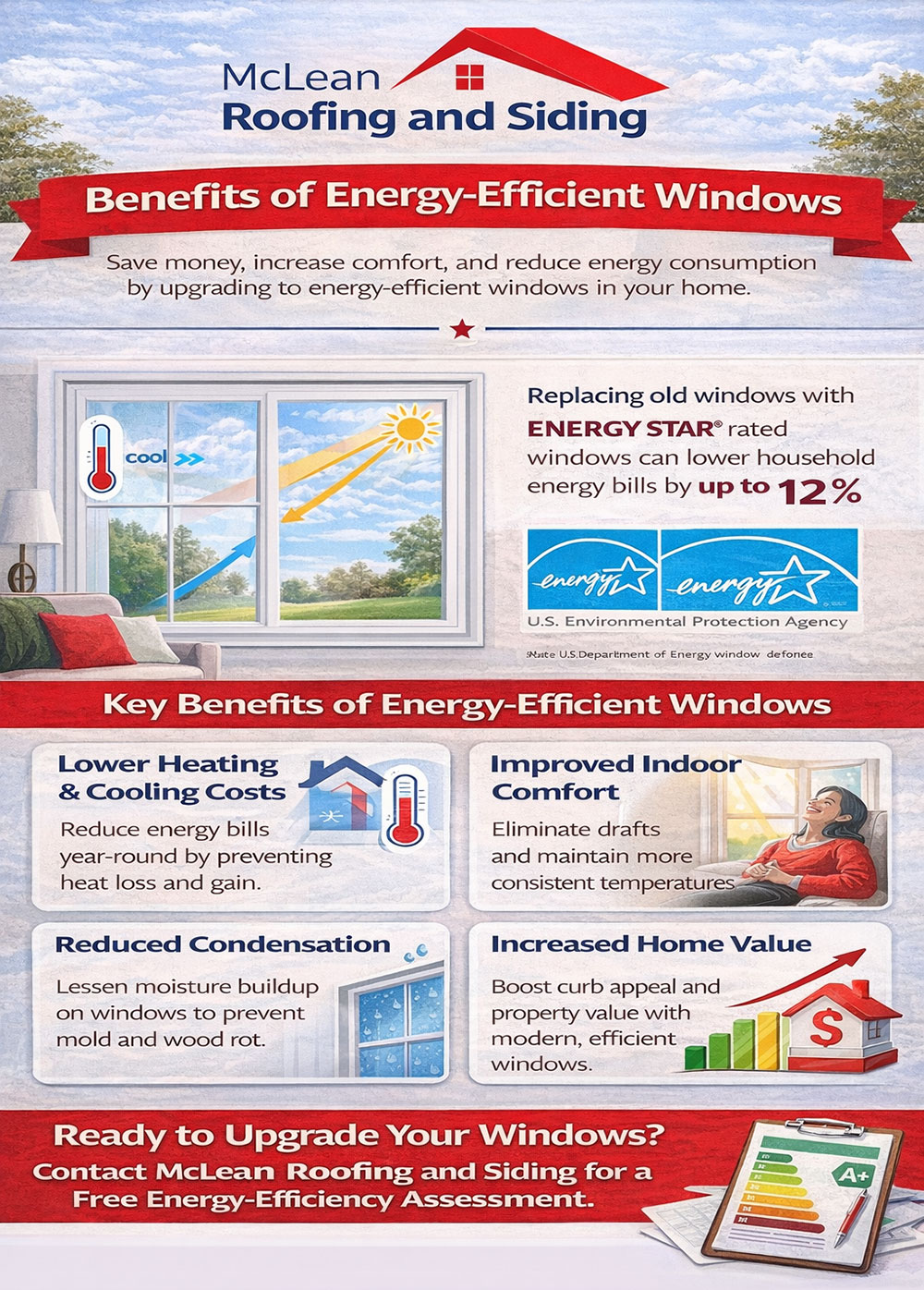
Safety is not limited to physical injury or break-ins. Drafty windows can create unsafe indoor conditions by allowing cold air infiltration, moisture buildup, and uneven temperatures.
Energy loss through windows increases strain on heating systems during winter and cooling systems during summer.
According to the U.S. Department of Energy, upgrading to energy-efficient windows improves comfort, reduces condensation, and lowers energy costs.
Learn how window efficiency connects to seasonal comfort on our Summer Energy Bills page.
Windows, Roofing, and Whole-Home Safety
Windows do not function independently. They work alongside roofing, siding, and insulation to protect the home envelope.
For example:
- Roof leaks can damage window frames and interior walls
- Poor siding maintenance allows water intrusion around window openings
- Insulation gaps increase condensation around window frames
Homeowners focused on long-term safety should also review roof condition and maintenance. Our Roof Maintenance Plan explains how proactive care reduces risks.
When Window Replacement Is the Safer Choice
In many cases, repairing old windows does not address underlying safety concerns. Replacement windows offer improved glass strength, better locking systems, and modern safety standards.
Window replacement is often recommended when:
- Glass is cracked or fogged
- Frames are rotting or warped
- Locks fail or no longer secure properly
- Windows do not meet egress requirements
Replacing windows can also complement broader exterior improvements. Learn how coordinated upgrades improve performance on our Improve Home Exterior page.
Maintenance Still Matters for Window Safety
Even newer windows require maintenance to remain safe. Inspecting seals, cleaning tracks, testing locks, and addressing small issues early prevents larger safety problems.
Minor repairs often go overlooked until flagged during inspections. Learn why small issues matter on our Require Minor Repairs resource.
Why Professional Evaluation Is Important
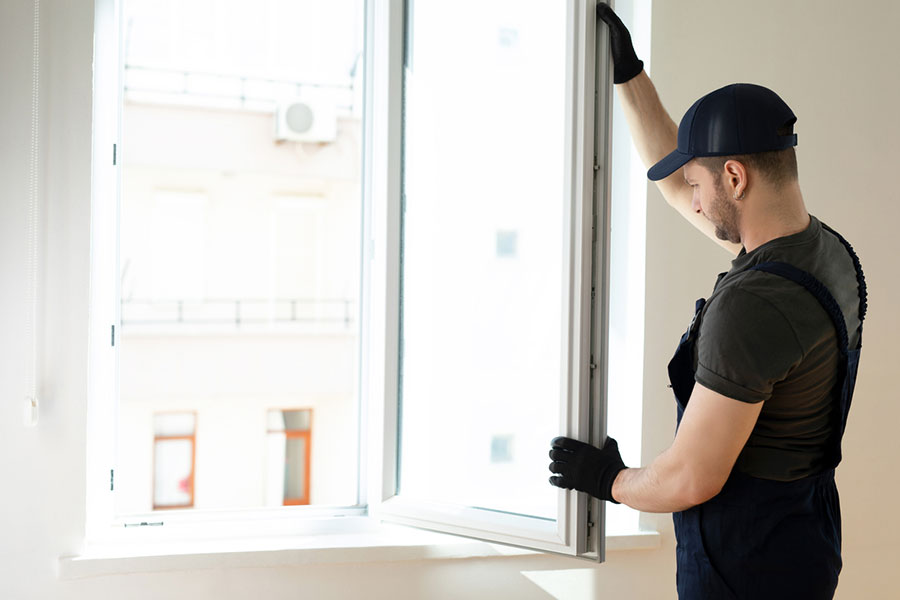
Professional contractors assess window condition, safety features, code compliance, and integration with roofing and siding systems. This ensures recommendations are based on safety, not just appearance.
Professionals also help homeowners select window products designed for Michigan weather conditions.
Conclusion
Home safety windows protect against injuries, intrusions, weather damage, and energy loss. In Michigan, where seasonal extremes place extra stress on exterior systems, window safety should be a priority for every homeowner.
If you are concerned about window safety or considering an upgrade, professional evaluation and replacement options provide peace of mind and long-term protection.