
Home inspections play a critical role in real estate transactions across Michigan. Whether you are buying, selling, or maintaining a home, inspection findings often determine repair negotiations, closing timelines, and long-term maintenance planning. Because Michigan homes face harsh weather conditions throughout the year, exterior-related concerns frequently appear on inspection reports.
This article outlines the most common home inspection concerns in Michigan, why they matter, and how homeowners can address them proactively.
Why Exterior Issues Are Common in Michigan Home Inspections
Michigan homes are exposed to snow, ice, wind, rain, humidity, and freeze-thaw cycles. Over time, these conditions accelerate wear on roofing, siding, gutters, windows, and structural components. Inspectors focus heavily on exterior systems because they protect the home from water intrusion and energy loss.
According to the International Association of Certified Home Inspectors, exterior defects are among the most frequently reported issues nationwide, particularly in climates with severe seasonal changes.
Roofing Issues Frequently Flagged During Inspections
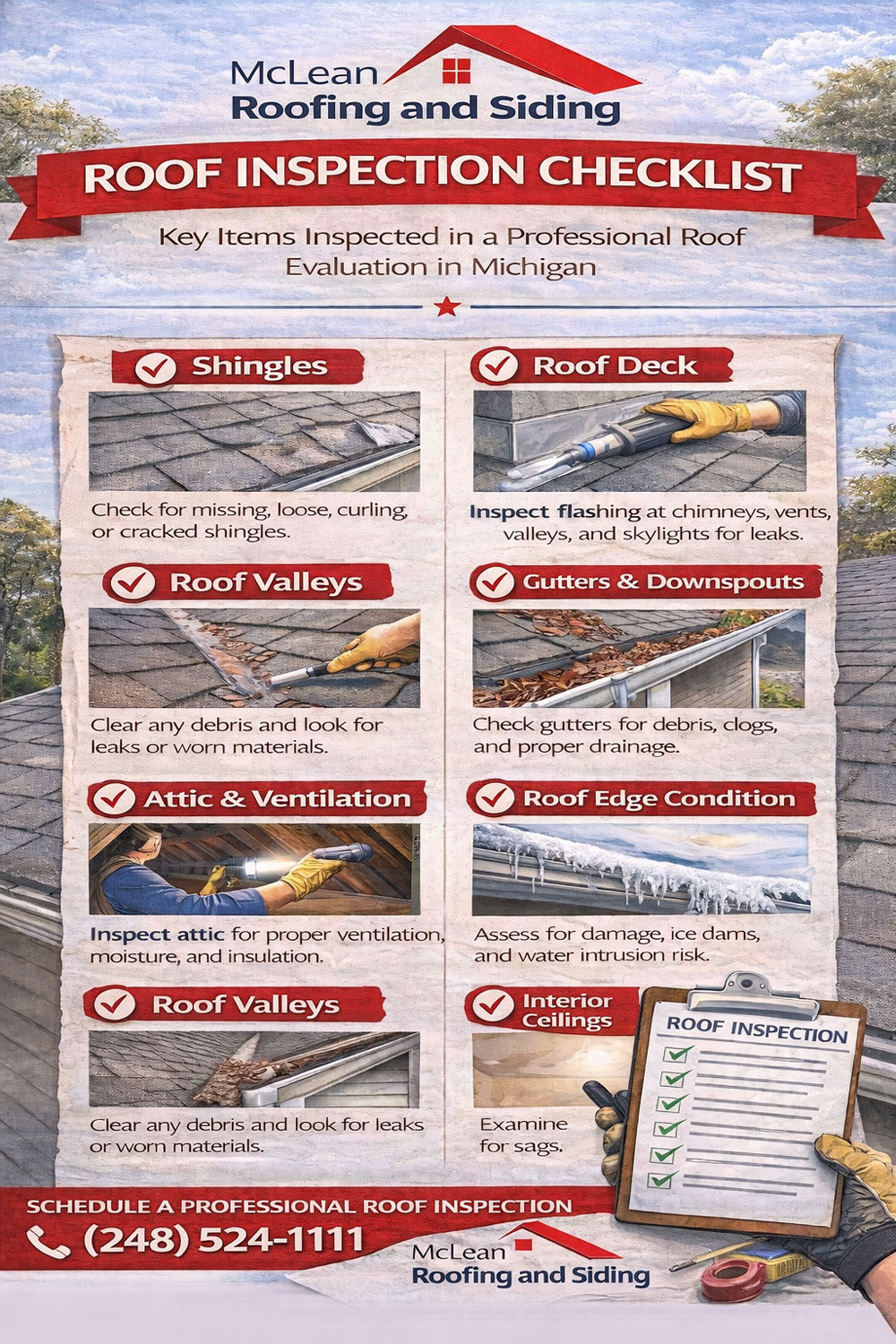
Roofing concerns are one of the top reasons inspection reports trigger repair requests. Inspectors evaluate roof condition, visible damage, and signs of leakage.
Common roofing concerns include:
- Missing, cracked, or curling shingles
- Granule loss indicating aging materials
- Damaged flashing around chimneys and vents
- Soft spots or sagging rooflines
- Signs of previous or active leaks
Homes with visible roof wear may require professional evaluation. Learn more about addressing these issues on our Roof Repair Michigan page.
When damage is widespread or the roof is nearing the end of its lifespan, inspectors may recommend replacement. Warning signs are outlined in our guide on Signs You Need a New Roof.
DIY Repairs That Raise Inspection Red Flags
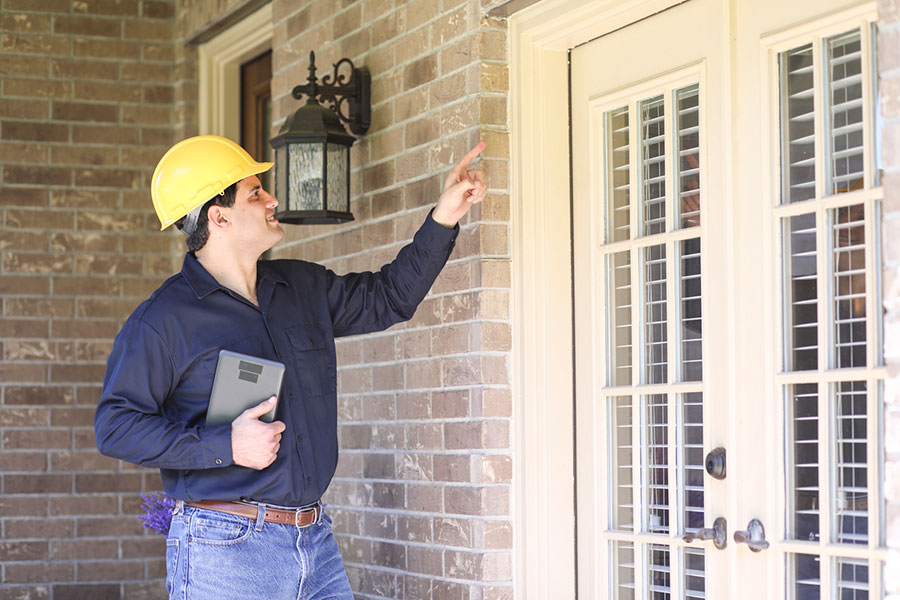
While homeowners often attempt small repairs themselves, poorly executed DIY work is frequently flagged during inspections. Improper shingle installation, exposed fasteners, incorrect flashing repairs, and makeshift sealants can all create long-term problems.
Inspectors look for signs that repairs were not performed according to industry standards or manufacturer guidelines.
Homeowners considering repairs should understand the risks of improper work. Our article on DIY Roof Inspection Tips explains what homeowners can safely evaluate and when professional help is recommended.
Minor Exterior Repairs That Become Major Inspection Issues
Many inspection concerns begin as minor exterior issues that were left unaddressed. Small cracks, loose siding panels, or deteriorating sealants may seem cosmetic but often allow moisture infiltration.
Inspectors commonly note:
- Loose or damaged siding
- Deteriorated trim or fascia boards
- Unsealed exterior penetrations
- Early signs of rot or mold
Addressing these items early helps avoid larger findings during inspections. Learn more about why small issues matter on our Minor Repairs resource.
Gutters and Drainage Problems
Improper drainage is another frequent inspection concern. Clogged or damaged gutters allow water to back up under roofing materials or run down siding, leading to moisture damage.
Inspectors check for:
- Improper gutter slope
- Disconnected or leaking downspouts
- Water staining on siding or foundation
- Evidence of ice dam damage
The U.S. Department of Energy notes that poor drainage and moisture intrusion directly affect roof performance and energy efficiency.
Maintenance History Matters
Homes with documented maintenance tend to perform better during inspections. Inspectors often note whether exterior systems appear regularly maintained or neglected.
A structured maintenance approach helps homeowners:
- Reduce inspection-related repair requests
- Plan repairs before emergencies occur
- Extend the lifespan of exterior systems
- Improve buyer confidence
Learn how proactive care helps prevent inspection surprises on our Roof Maintenance Plan page.
Energy Efficiency and Insulation Findings
Inspectors frequently identify insulation deficiencies, ventilation issues, and air leakage. These issues contribute to higher energy bills, moisture buildup, and ice dam formation.
While insulation concerns may not always delay a sale, they often influence buyer negotiations and future upgrade planning.
The U.S. Department of Energy emphasizes that proper insulation and ventilation are essential to controlling moisture and maintaining consistent indoor temperatures.
How Homeowners Can Prepare for an Inspection
Preparing for a home inspection does not require major renovations. Instead, homeowners should focus on visible exterior conditions and maintenance items.
Recommended preparation steps include:
- Repairing visible roof damage
- Cleaning and securing gutters and downspouts
- Addressing loose siding or trim
- Documenting recent repairs and maintenance
- Scheduling a professional roof inspection if concerns exist
Why Professional Exterior Contractors Matter
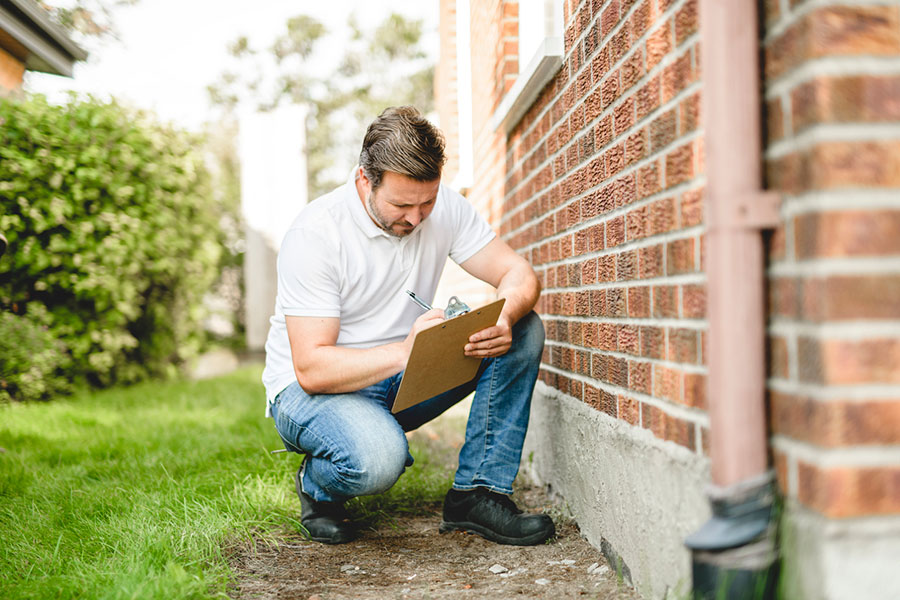
Professional contractors understand what inspectors look for and how to address issues correctly. Proper repairs not only improve inspection outcomes but also protect the home long term.
Experienced contractors also provide documentation that can be helpful during real estate transactions.
Conclusion
Home inspection concerns in Michigan often center around roofing, siding, drainage, and maintenance issues caused by weather exposure and deferred repairs. Addressing these concerns early helps homeowners avoid costly surprises, strengthen negotiation positions, and protect their investment.
If you are preparing for an inspection or want to address exterior concerns proactively, professional evaluation and maintenance are the best place to start.