Regular roof inspections are one of the most effective ways to protect your home from costly repairs, especially in Michigan where roofs are exposed to snow, ice, wind, and temperature swings. While a professional inspection provides the most thorough evaluation, homeowners can perform a basic DIY roof inspection to identify visible warning signs and determine when expert help is needed.
This guide explains how to safely inspect your roof, what common issues to look for, and why professional roof inspections remain essential for long-term protection.
Why Roof Inspections Matter in Michigan
Michigan roofs endure heavy snow loads, ice dams, freeze-thaw cycles, and severe storms throughout the year. Over time, these conditions can loosen shingles, damage flashing, and allow moisture to enter the roofing system. Catching problems early helps prevent interior leaks, insulation damage, and structural deterioration.
Homeowners who stay proactive with roof maintenance often extend the lifespan of their roofing system and avoid unexpected emergency repairs.
Important Safety Considerations Before Inspecting Your Roof
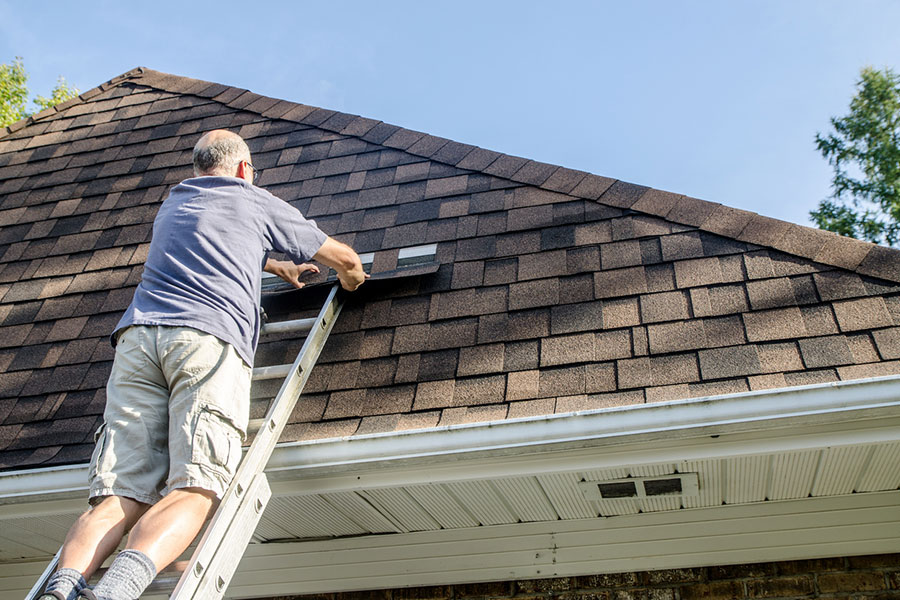
Safety should always come first. Many roofing injuries occur during DIY inspections, especially when homeowners climb ladders or walk on sloped surfaces.
- Never inspect your roof during wet, icy, or windy conditions
- Use a sturdy ladder placed on level ground
- Wear non-slip footwear
- Avoid walking on steep or fragile roofing surfaces
- Stay clear of overhead power lines
If you feel unsure at any point, stop and schedule a professional inspection. Falls from even one story can result in serious injury.
For additional safety guidance, the CDC Fall Prevention Resource outlines best practices for ladder and fall safety.
DIY Roof Inspection From the Ground
Many roofing problems can be identified without climbing onto the roof. Start by walking around your home and visually inspecting from ground level.
Look for Shingle Damage
Check for missing, curled, cracked, or lifted shingles. Shingles that appear uneven or discolored may indicate age-related deterioration or storm damage.
Inspect Roof Lines and Sagging
A sagging roofline may indicate structural issues or moisture damage beneath the surface. This should always be evaluated by a professional.
Check Gutters and Downspouts
Granules collecting in gutters can be a sign that shingles are nearing the end of their lifespan. Clogged or damaged gutters can also cause water to back up onto the roof.
Learn more about proper drainage systems on our Seamless Gutters and Downspouts page.
DIY Roof Inspection From the Attic
Your attic can reveal roofing issues long before they are visible from outside.
- Look for water stains or dark spots on the underside of the roof deck
- Check for mold or musty odors
- Look for daylight coming through the roof
- Inspect insulation for dampness or compression
Proper insulation and ventilation play a major role in roof performance. Poor airflow can lead to ice dams and moisture buildup.
Visit our Insulation Services page to learn how insulation supports roof longevity.
Warning Signs That Require Professional Inspection

While DIY inspections are helpful, certain issues should always be evaluated by a professional roofing contractor:
- Recurring or unexplained leaks
- Storm or hail damage
- Loose flashing around chimneys or vents
- Soft spots on the roof deck
- Ice dam damage after winter
Professional roof inspections include a detailed evaluation of shingles, flashing, ventilation, and structural integrity.
Schedule a professional assessment on our Roof Inspection Michigan page.
DIY Inspection vs Professional Roof Inspection
A DIY roof inspection is helpful for identifying visible issues, but it does not replace a professional evaluation. Roofing contractors are trained to spot early signs of failure that homeowners may overlook, including subtle flashing issues and ventilation imbalances.
According to the National Roofing Contractors Association, regular professional inspections are one of the most effective ways to extend roof lifespan and prevent unexpected repairs.
When Roof Repairs or Replacement May Be Needed
If your roof shows widespread damage or is approaching the end of its expected lifespan, repairs may no longer be sufficient.
Professional contractors can determine whether targeted repairs or full replacement is the best long-term solution.
Learn more about replacement options on our Roof Replacement Michigan page.
How Exterior Systems Work Together
Your roof works in conjunction with siding, windows, insulation, and gutters to protect your home. Problems in one system often affect the others.
- Siding gaps can allow moisture behind roofing components
- Old windows can increase attic heat loss
- Improper gutters can cause roof edge damage
Explore how all systems work together on our Exterior Services page.
For siding upgrades, visit our Siding Contractor Michigan page.
For energy-efficient upgrades, view our Replacement Windows Michigan page.
Why Choose McLean Roofing and Siding
McLean Roofing and Siding has decades of experience protecting Michigan homes from harsh weather conditions. Our team provides professional inspections, honest recommendations, and quality workmanship across roofing and exterior systems.
Visit our homepage at McLean Roofing and Siding to learn more about our services and request an inspection.
Conclusion
DIY roof inspections are a helpful first step in maintaining your home, but they should be paired with regular professional evaluations. By knowing what to look for and when to call an expert, homeowners can avoid costly repairs and protect their investment.
If you notice warning signs or want peace of mind, schedule a professional inspection with McLean Roofing and Siding today.